13% off
Blue Myco
Bulk Coco Coir Bricks — 5kg Pallet (210-220 Bricks), OMRI Listed
2200.0 lb
$1,299.99$1,499.99Unit price /Unavailable
Blue Myco
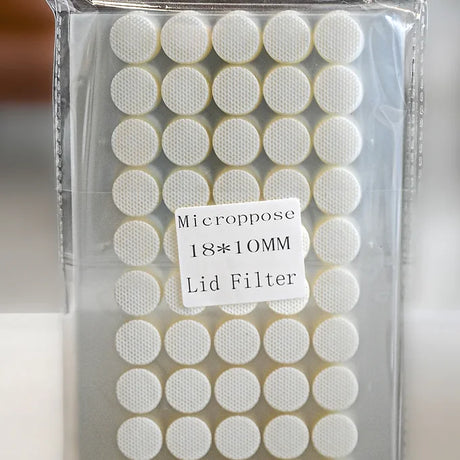
Microppose Adherable Lid Filters For Plant & Mushroom Tissue Culture
From $4.00Unit price /Unavailable-
11% offNew arrival
Blue Myco
Masters Mix Pellets 40 LB Bag (50% Oak / 50% Soy Hull)
40.0 lb
$39.99$44.99Unit price /Unavailable -
Sold outNew arrival
Blue Myco
Masters Mix Pellets Pallet — 50 Bags, 2,000 LB (50% Oak / 50% Soy Hull)
1750.0 lb
$999.00Unit price /Unavailable -
-
-

Blue Myco
28 Quart Monotubs 12-Pack — Growers Select with Filter Disks, Plugs & Liners
$184.99Unit price /Unavailable-
Blue Myco
Growers Select 44 Quart Monotubs, Filter Disk Plugs & Liners (12-Pack)
47.0 lb
$299.00Unit price /Unavailable -
Blue Myco
Growers Select 66 Quart Monotubs, Filter Disk, Plugs & Liners (12-Pack)
47.0 lb
$359.00Unit price /Unavailable




Choosing Mushroom Growing Supplies for Production Volume
Most of what limits a small mushroom farm is not genetics or technique, it is the cost and consistency of consumables. Substrate, tubs, filters and ports get bought over and over, and the difference between retail-size and pallet-size pricing compounds every single cycle. The products in this collection are the ones Blue Myco sells to growers who have stopped buying by the unit and started buying by the case, bag and pallet.
Substrate: Masters Mix vs. Coco Coir
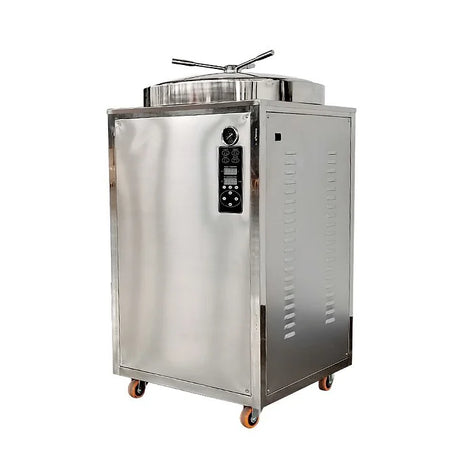
Masters Mix pellets are a 50/50 blend of oak hardwood and soy hulls, compressed into a single pellet so there is no measuring, no separate sawdust and soy hull inventory, and no ratio drift between batches. It is the standard supplementary substrate for gourmet wood-loving species: oysters, lion's mane, shiitake, chestnut and reishi. Because it is supplemented, Masters Mix must be fully sterilized rather than pasteurized, which is why it pairs with an autoclave or pressure sterilizer rather than a hot water bath.
Coco coir runs the other direction. It is an unsupplemented bulk substrate, usually mixed with vermiculite and hydrated to field capacity, and it is normally pasteurized rather than sterilized. It is the standard fill for monotubs and it is also widely used for raised beds, vegetables and houseplants. Our bricks are OMRI listed, triple washed and low EC, so they can be hydrated and used without a rinse cycle or salt flush.
A working rule of thumb: if the substrate is supplemented with a nitrogen source, sterilize it. If it is plain coir, straw or manure, pasteurization is usually enough.
Sizing Your Monotubs
Monotub size drives both yield per tub and how much bench space each tub occupies. Larger tubs hold a deeper substrate bed and produce more per flush, but they take longer to colonize and are heavier to handle when full.
- 28 quart — compact footprint, four ventilation ports. Best for shallow beds, tight shelving, and growers running many small tubs in parallel to spread contamination risk.
- 44 quart — the common middle ground, six ventilation ports. Enough depth for a full bulk bed without becoming unmanageable to lift.
- 66 quart — six ventilation ports and the deepest bed. The fewest tubs to maintain for a given amount of substrate, at the cost of weight and longer colonization time.
All three sizes ship 12 to a case and include adhesive filter disks, hole plugs and fitted liners, so the tubs arrive ready to drill and build rather than needing a separate parts order.
Contamination Control and Air Exchange
Every hole cut into a tub, jar or culture vessel is a tradeoff between gas exchange and contamination risk. Filters resolve that tradeoff. Adhesive monotub filter discs cover the ventilation holes on a fruiting chamber and let carbon dioxide out and fresh air in while blocking the airborne spores and bacteria that cause green mold and wet spot. Microppose adherable lid filters do the same job at a smaller scale on jar lids and tissue culture containers, at 0.3 micron filtration efficiency. Self-healing injection ports allow repeated needle access to a sealed vessel without ever opening it, which is what makes liquid culture and spore syringe work practical outside a flow hood.
All three are fully autoclavable, so they can be applied before sterilization rather than added to a hot vessel afterward.
Verify the Sterilization Cycle, Do Not Assume It
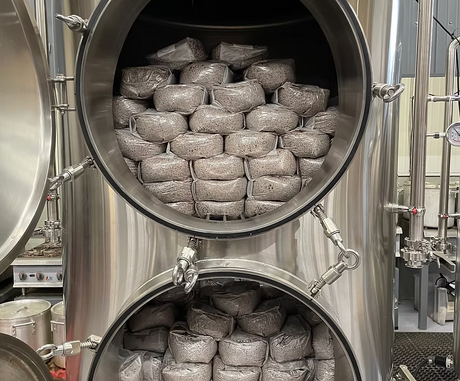
A sterilizer that reaches pressure is not the same as a load that reaches sterilization temperature all the way through. Dense loads, overpacked chambers and trapped air pockets all produce cold spots that read fine on the gauge and still fail in the tub two weeks later. Sterilization indicator strips placed inside the load give a pass or fail reading in seconds after the cycle, so failed runs are caught at the autoclave instead of at the fruiting stage. At a few cents per strip against the cost of a contaminated batch, they are the cheapest insurance in a grow room.
Frequently Asked Questions
How much substrate do I need per monotub?
It depends on tub size and how deep you run the bed. As a starting point, a bulk bed is usually run at roughly two to four inches deep, so a 28 quart tub takes noticeably less substrate than a 66 quart tub at the same depth. Calculate from your bed depth and tub footprint rather than filling to the top; an overfilled tub colonizes unevenly and holds too much moisture.
Do I need to sterilize coco coir or just pasteurize it?
Plain coco coir is normally pasteurized, not sterilized. Because it carries no added nutrition, it does not need to be rendered completely sterile to resist contamination once colonized. Supplemented substrates such as Masters Mix are a different case and require full sterilization in an autoclave or pressure sterilizer.
What is the difference between Masters Mix and plain hardwood sawdust?
Masters Mix adds soy hulls as a nitrogen source at a 50/50 ratio, which substantially increases yield compared to unsupplemented hardwood. That supplementation is also what makes full sterilization mandatory: the added nutrition will feed contaminants just as readily as it feeds mycelium.
Can filter disks and injection ports be autoclaved?
Yes. The filter disks, Microppose lid filters and injection ports in this collection are all rated for autoclave temperatures and are designed to be applied before the sterilization cycle.
How do sterilization indicator strips work?
The strips are chemical integrators that respond to the combination of time and temperature rather than temperature alone. After the cycle, the strip reads in a green "accept" zone or a red "reject" zone within seconds. Place them in the densest part of the load, where a cold spot is most likely.
Do you offer wholesale or freight pricing?
Yes. Pallet items ship by freight and larger orders are quoted individually. Coco coir pallets ship at a flat freight rate within the continental United States, with additional fees possible for remote addresses. Contact us before ordering pallet quantities and we will quote the freight.
What else do I need to run these supplies?
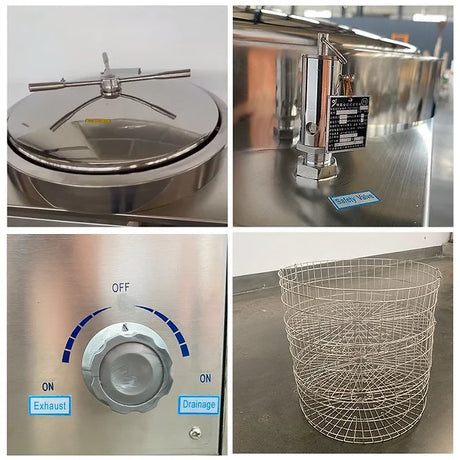
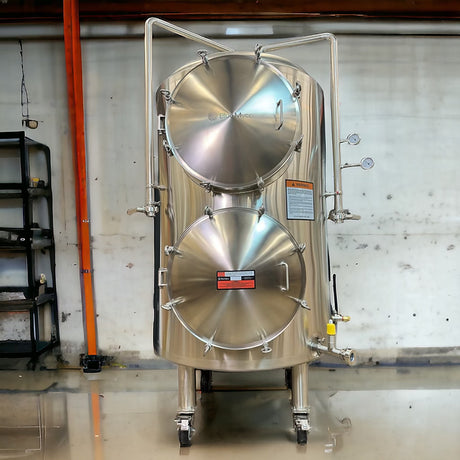
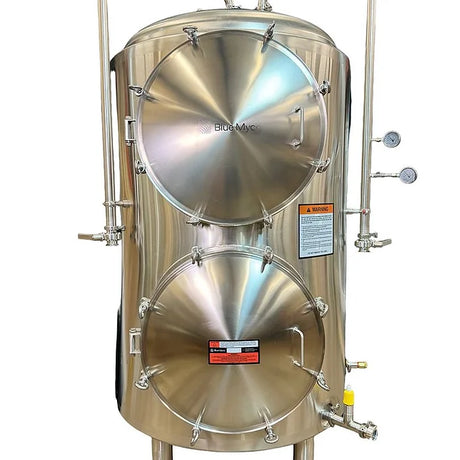
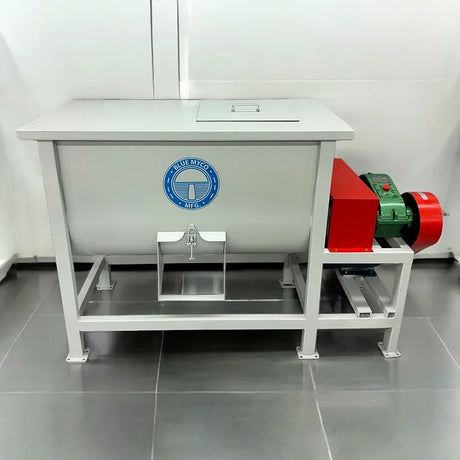
Sterilized substrate requires a sterilizer sized to your batch volume. See our sterilizers, autoclaves and pasteurizers, along with filter patch grow bags, an impulse heat sealer for closing them, and a substrate mixer for higher-throughput setups.
Sterilizer, Autoclaves & Pasteurizers
View all-

Blue Myco
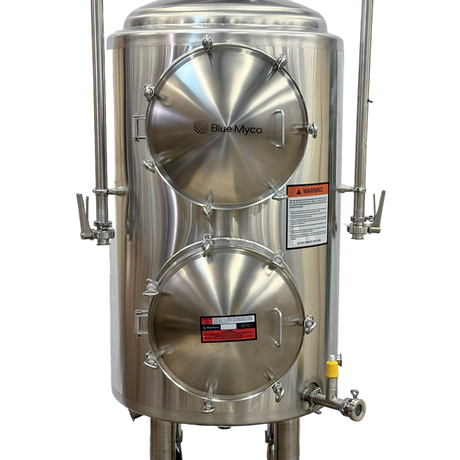
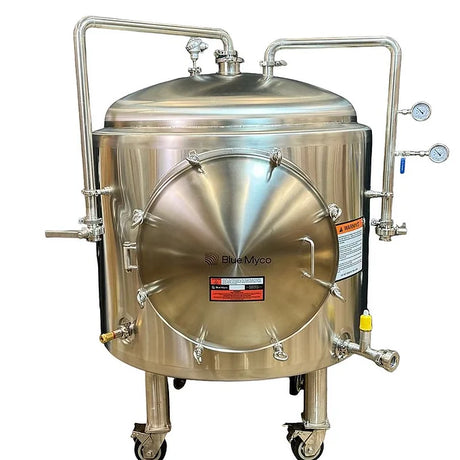
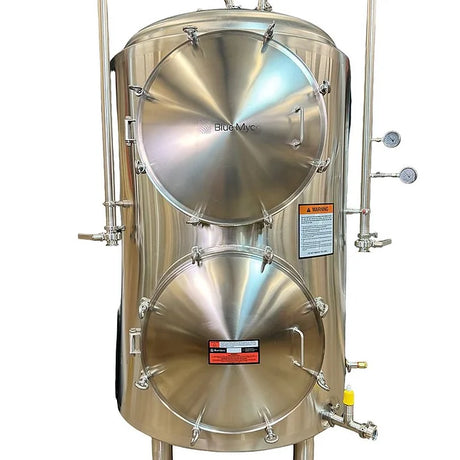
Blue Myco B-310L Commercial Mushroom Sterilizer
600.0 lb
$14,999.00Unit price /Unavailable -

Blue Myco
Blue Myco B-550L Commercial Mushroom Sterilizer
800.0 lb
$16,999.00Unit price /Unavailable -
 Up to 17% off
Blue Myco
Blue Myco B-1180L Commercial Mushroom Sterilizer
1200.0 lb
$24,999.00$29,999.00Unit price /Unavailable -
Blue Myco
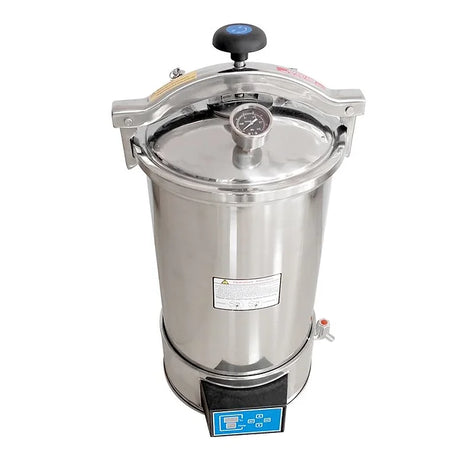
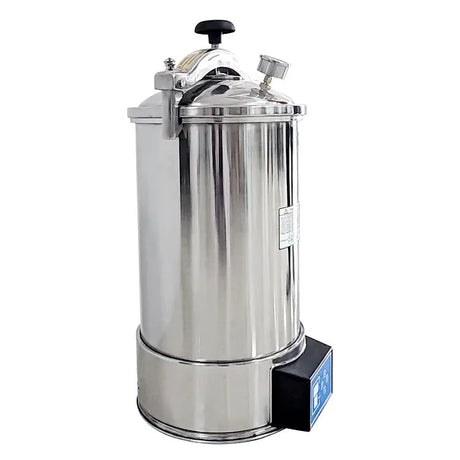
25Q Fully Automatic Electric Pressure Sterilizer Autoclave 110V
38.0 lb
$700.00Unit price /Unavailable -
Sold out20% off
Blue Myco
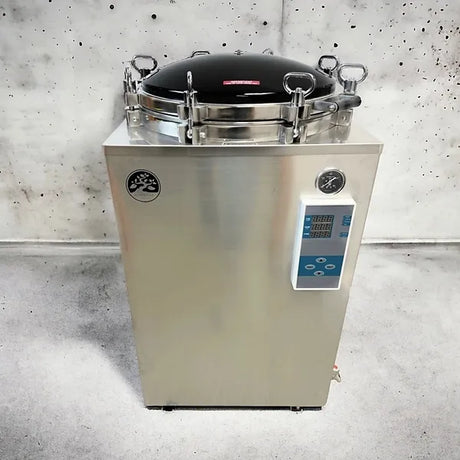
150L Mushroom Autoclave — Commercial Digital Electric Pressure Sterilizer
405.0 lb
$2,799.00$3,500.00Unit price /Unavailable -
22% off
Blue Myco
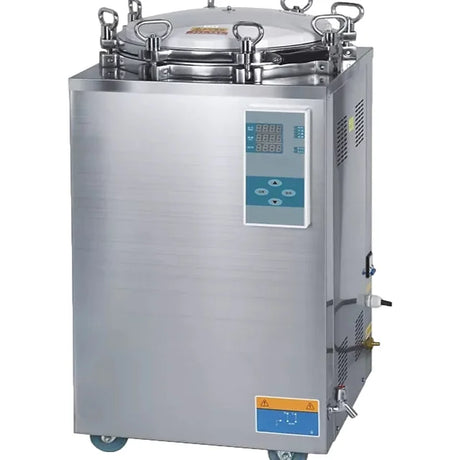
200L Mushroom Autoclave — Commercial Automatic Digital Electric Sterilizer
$3,899.00$5,000.00Unit price /Unavailable -
22% off
Blue Myco
Blue Myco B-1180L Commercial Mushroom Sterilizer — Pre-Owned
2000.0 lb
$19,499.00$24,999.00Unit price /Unavailable -

Blue Myco MFG
Blue Myco Heavy-Duty Steam-Flow Trays For Myco Bags & Jars
99.0 lb
$379.99Unit price /Unavailable