


Blue Myco
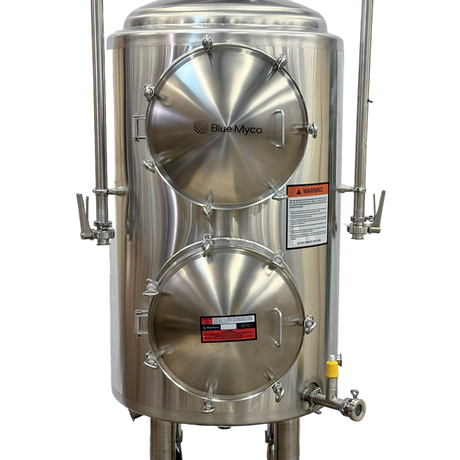
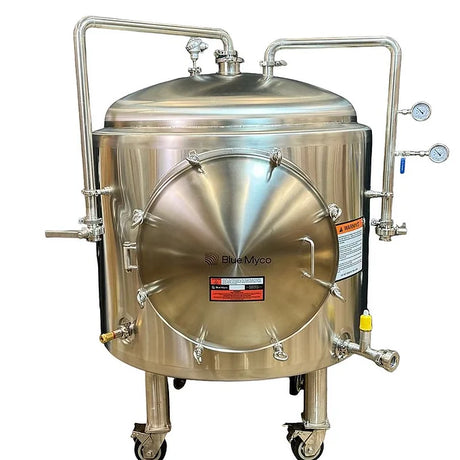
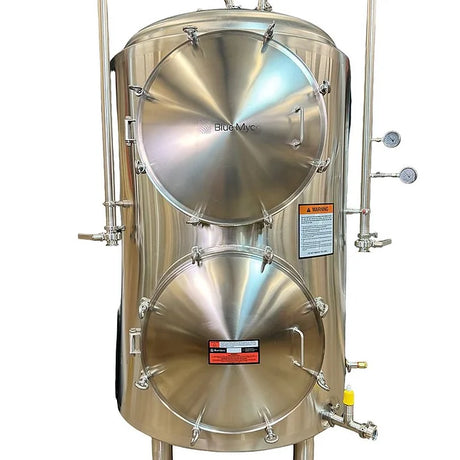
Blue Myco B-310L Commercial Mushroom Sterilizer
600.0 lb
$14,999.00Unit price /Unavailable-

Blue Myco
Blue Myco B-550L Commercial Mushroom Sterilizer
800.0 lb
$16,999.00Unit price /Unavailable -
 Up to 17% off
Blue Myco
Blue Myco B-1180L Commercial Mushroom Sterilizer
1200.0 lb
$24,999.00$29,999.00Unit price /Unavailable -
Blue Myco
25Q Fully Automatic Electric Pressure Sterilizer Autoclave 110V
38.0 lb
$700.00Unit price /Unavailable -
Sold out20% off
Blue Myco
150L Mushroom Autoclave — Commercial Digital Electric Pressure Sterilizer
405.0 lb
$2,799.00$3,500.00Unit price /Unavailable -
22% off
Blue Myco
200L Mushroom Autoclave — Commercial Automatic Digital Electric Sterilizer
$3,899.00$5,000.00Unit price /Unavailable -
22% off
Blue Myco
Blue Myco B-1180L Commercial Mushroom Sterilizer — Pre-Owned
2000.0 lb
$19,499.00$24,999.00Unit price /Unavailable 
Blue Myco MFG
Blue Myco Heavy-Duty Steam-Flow Trays For Myco Bags & Jars
99.0 lb
$379.99Unit price /Unavailable


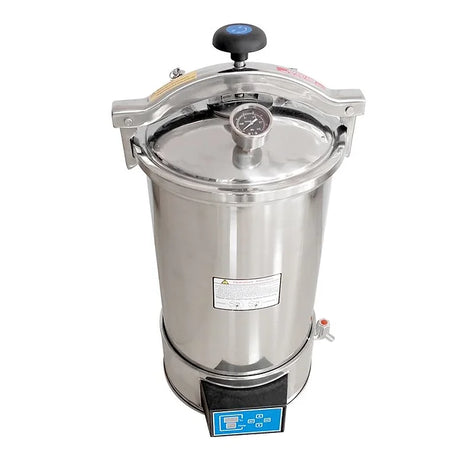
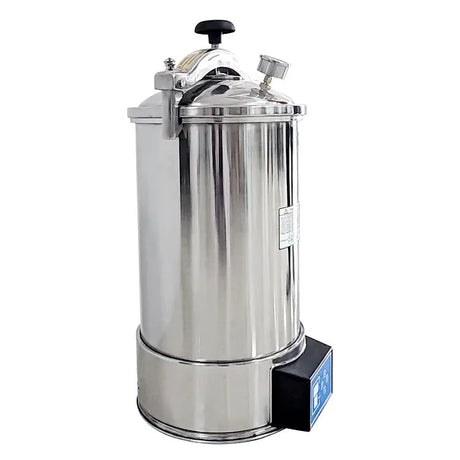
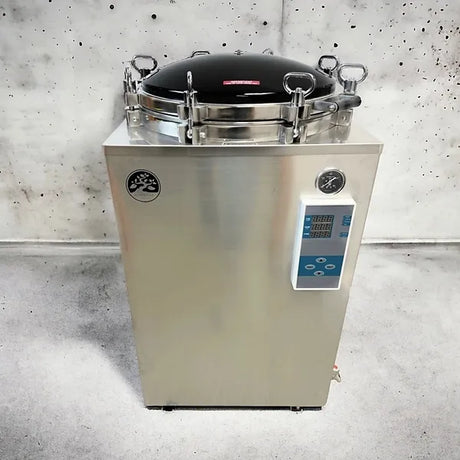
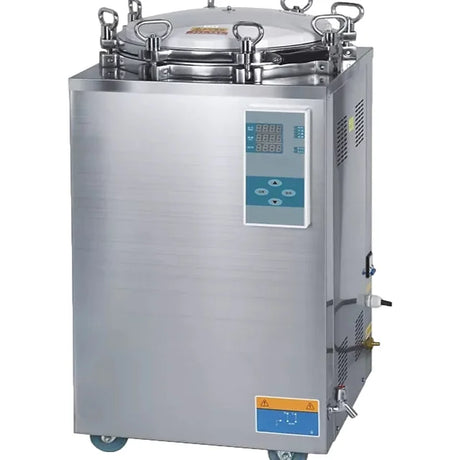
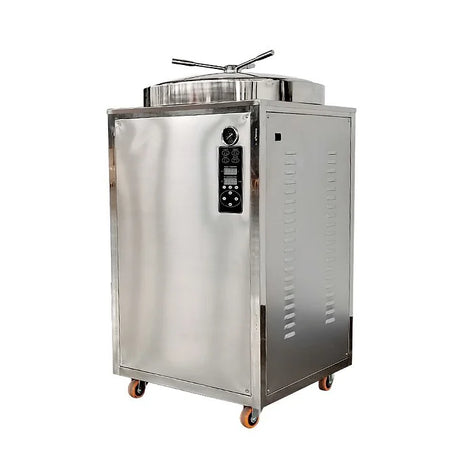
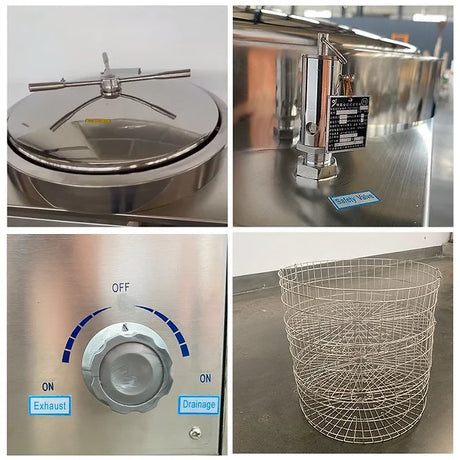
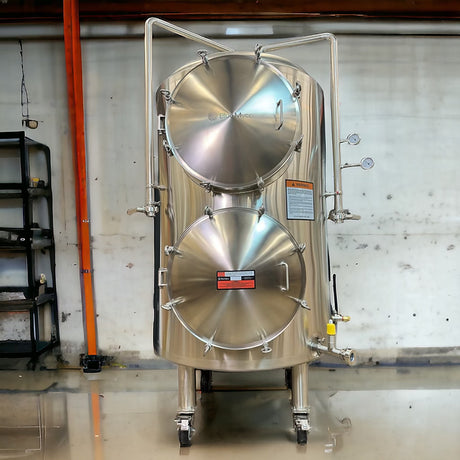
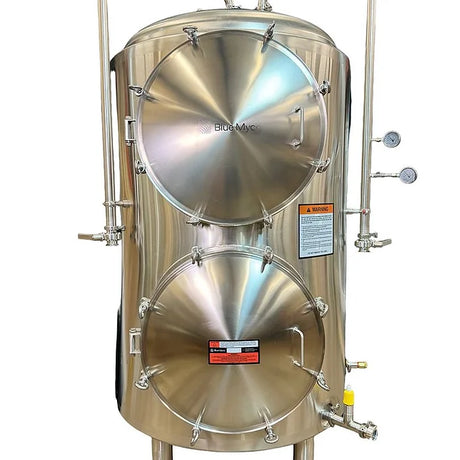


Compare every model at a glance
Six machines, one decision. Work down the capacity column until you reach the volume you actually run each week, then check the last two columns before you commit — electrical service and pasteurization capability are where people get caught out.
| Model | Per cycle | Grain | Electrical | Pasteurizes? |
|---|---|---|---|---|
| 25Q benchtop | 14 quart jars | Small batch | 110V standard outlet | No |
| 150L vertical | 48 × 3 lb bags | 128–140 lb | 220V, L6-30, 30 A | No |
| 200L vertical | 72 × 3 lb bags | 40 × 5 lb bags | 208–240V, NEMA 14-50, 40–50 A | No |
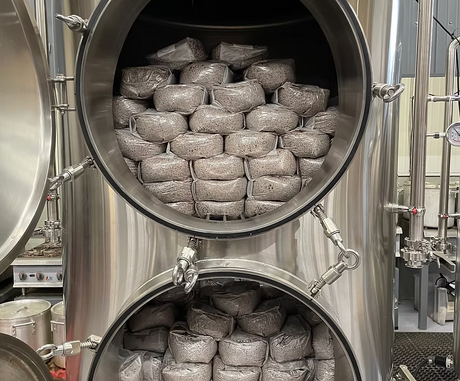
| B-310L | 150 × 3 lb bags | 450 lb | 220V 1‑ph or 3‑ph, 9 kW | Yes |
| B-550L | 235 × 3 lb bags | 700 lb | 220V 1‑ph or 3‑ph | Yes |
| B-1180L | 500 × 3 lb bags | 1,500 lb | 220V 1‑ph or 3‑ph | Yes |
Sterilization or pasteurization — the question that picks your machine
These two words get used interchangeably, and buying the wrong machine is an expensive mistake.
- Sterilization uses pressurized steam at roughly 121°C to kill essentially everything, including heat-resistant bacterial endospores. This is required for grain spawn, supplemented sawdust, master's mix, and any nutrient-rich substrate.
- Pasteurization holds material at a lower temperature to knock back competitors without fully sterilizing. It suits straw and unsupplemented bulk substrates, where a surviving microbial population actually helps resist contamination.
The practical rule: if you added nutrition to it, sterilize it. Supplemented substrate that is only pasteurized will almost always contaminate.
Not every autoclave can pasteurize. Holding a true pasteurization setpoint requires controls that go low enough, and that is not standard. In our range, only the B-310L, B-550L, and B-1180L run both processes in the same chamber. The 25Q, 150L, and 200L sterilize only. If your program includes straw or bulk substrate you intend to pasteurize, that requirement decides your model before anything else does.
What a cycle actually takes
Most sterilizer listings publish a single cycle time. That number is almost always heat-up on an empty chamber, and it is not what you will experience in production.
Reaching 15 PSI takes roughly an hour to ninety minutes on an empty chamber. Under a real load, expect 2 to 3 hours — denser and wetter loads take longer to come up to temperature throughout.
Sterilizing time at pressure then depends entirely on what you are running:
| Load | Time at pressure |
|---|---|
| Liquid media, agar, glassware, tissue culture work | ~30 min |
| Grain spawn | 3 – 3.5 hrs |
| Bulk substrate and master's mix | 4 hrs |
Add heat-up, hold, and cool-down together and a typical mushroom cycle runs 6 to 7 hours start to unload.
Two cycles a day is the normal rhythm
A 6 to 7 hour cycle does not mean one run per day. The pattern on a working farm is:
- First thing in the morningLoad the chamber and start it
- AfternoonUnload, then reload
- As the last person leavesHit start and walk out
The overnight run finishes on its own and is ready to unload the next morning. That second cycle costs no additional labour, and it is only possible because our programmable timers and automatic shutoff let a chamber run unattended. On the B-series that works out to roughly 900, 1,400, and 3,000 pounds of grain a day.
Why you cannot just open the valve
Plant tissue culture labs vent fast at the end of a run and turn the chamber around quickly. That is why a 30-minute tissue culture cycle really is a 30-minute cycle.
Filter patch bags will burst under rapid depressurization. Bags need a controlled cool-down, and that cool-down is most of the difference between the 4-hour hold time and the 6 to 7 hour total. Rigid substrate jars can be vented quickly — bags cannot. It is the single most common way a new owner loses a full load.
Check your electrical service before you order
This is the detail most growers overlook until the crate arrives, and fixing it afterwards costs real money.
- The 25Q runs on a standard 110V household outlet. No electrician, no dedicated circuit, no freight truck.
- The 150L needs 220V on a 30 amp circuit, typically an L6-30 plug and receptacle.
- The 200L steps up to 208–240V on a 40 to 50 amp breaker, typically NEMA 14-50 — the same connection used for EV chargers and electric ranges.
- The B-series is available in single phase and three phase 220V. Three phase is standard in industrial buildings; converted warehouses, barns, and farm outbuildings are usually single phase.
Not sure what you have? Send us a photo of your service panel before ordering and we will confirm which configuration to ship and what circuit your electrician needs to run.
New or pre-owned?
Pre-owned Blue Myco chambers are listed here whenever we have them. These are machines we know — inspected, serviced, and supported with the same parts inventory as our new units. Availability changes constantly, so if you see one listed, it is genuinely in stock.
For most buyers the real comparison is not new-versus-used. It is a pre-owned chamber at the capacity you need against a new machine one or two sizes smaller for similar money. If your production genuinely needs the volume, buying it used usually beats buying new and outgrowing it inside a year.
Build out the rest of your workflow
A sterilizer is one station in a production line. These are the pieces around it:
- Sterilizer Parts – Gaskets, seals, valves, and heating elements we stock for every unit we sell
- Mushroom Grow Bags – Filter patch bags rated for full sterilization cycles
- Mixers & Baggers – Hydrate and fill substrate consistently before it reaches the chamber
- Impulse Sealers – Seal bags cleanly coming out of the autoclave
- Steam-Flow Trays – Perforated stainless decks that add load capacity to the B-550L and B-1180L
Frequently asked questions
What temperature does a mushroom autoclave run at?
Standard sterilization runs at approximately 121°C (250°F) at around 15 PSI. Hold time depends on load density — grain bags require longer than agar or glassware, and bulk substrate longer still.
Which models can pasteurize as well as sterilize?
Can I sterilize master's mix in an autoclave?
Yes, and you should. Supplemented hardwood substrates like master's mix carry enough nutrition that pasteurization alone will usually result in contamination. Full sterilization is the standard for any supplemented block.
How long does a sterilization cycle take?
For grain spawn or substrate, plan 6 to 7 hours from loading to unloading — 2 to 3 hours to reach pressure under load, 3 to 4 hours at pressure depending on material, then a controlled cool-down. Liquid media and tissue culture work are far quicker, around 30 minutes at pressure with rapid venting afterward.
Can I run a cycle overnight?
Yes, and that is how most production farms get two cycles out of a day. Our programmable controls run the cycle to completion and shut the machine down. Low-water protection cuts power to the elements if a chamber loses water, mechanical over-pressure valves back up the control system, and the door stays locked until pressure has vented.
Can I sterilize grain spawn and substrate blocks in the same load?
You can, provided you run the cycle long enough for the densest item in the chamber. Most farms find it simpler to batch by material type so cycle times stay consistent and predictable.
What electrical service do I need?
It depends on the model — from a standard 110V outlet on the 25Q up to three-phase 220V on the largest B-series chambers. Check the table above, then confirm with a licensed electrician before ordering. Send us a photo of your panel if you are unsure and we will tell you which configuration to order.
What maintenance does a commercial sterilizer need?
Door gaskets and seals are the most common wear items and should be inspected regularly for compression and cracking. Heating elements are replaceable. We stock parts for every unit we sell in our sterilizer parts collection — we manufacture these machines, so we are not sourcing your replacement from overseas.
Do you ship commercial sterilizers?
Yes. Larger units ship freight and require a suitable receiving setup. The 25Q ships parcel. Reach out before ordering so we can confirm delivery logistics for your facility.
Sterilization is the foundation of a profitable farm
Every yield number, every contamination rate, and every production schedule on a mushroom farm traces back to how reliably you can sterilize. Blue Myco MFG builds these machines for growers who need that step to simply work, cycle after cycle, without babysitting. If you are weighing two capacities, or working out whether your facility can support a commercial unit, talk to us first — we have helped a lot of farms make this exact decision.
Sterilizer, Autoclaves & Pasteurizers
View all-
Blue Myco
Blue Myco B-310L Commercial Mushroom Sterilizer
600.0 lb
$14,999.00Unit price /Unavailable -
Blue Myco
Blue Myco B-550L Commercial Mushroom Sterilizer
800.0 lb
$16,999.00Unit price /Unavailable -
Up to 17% off
Blue Myco
Blue Myco B-1180L Commercial Mushroom Sterilizer
1200.0 lb
$24,999.00$29,999.00Unit price /Unavailable -
Blue Myco
25Q Fully Automatic Electric Pressure Sterilizer Autoclave 110V
38.0 lb
$700.00Unit price /Unavailable -
Sold out20% off
Blue Myco
150L Mushroom Autoclave — Commercial Digital Electric Pressure Sterilizer
405.0 lb
$2,799.00$3,500.00Unit price /Unavailable -
22% off
Blue Myco
200L Mushroom Autoclave — Commercial Automatic Digital Electric Sterilizer
$3,899.00$5,000.00Unit price /Unavailable -
22% off
Blue Myco
Blue Myco B-1180L Commercial Mushroom Sterilizer — Pre-Owned
2000.0 lb
$19,499.00$24,999.00Unit price /Unavailable -
Blue Myco MFG
Blue Myco Heavy-Duty Steam-Flow Trays For Myco Bags & Jars
99.0 lb
$379.99Unit price /Unavailable